
The World Needs Changemakers Who Know the Answers Aren't Simple and Pursue Them Anyway


Pickleball fundraiser for MNJRC (July 2026)
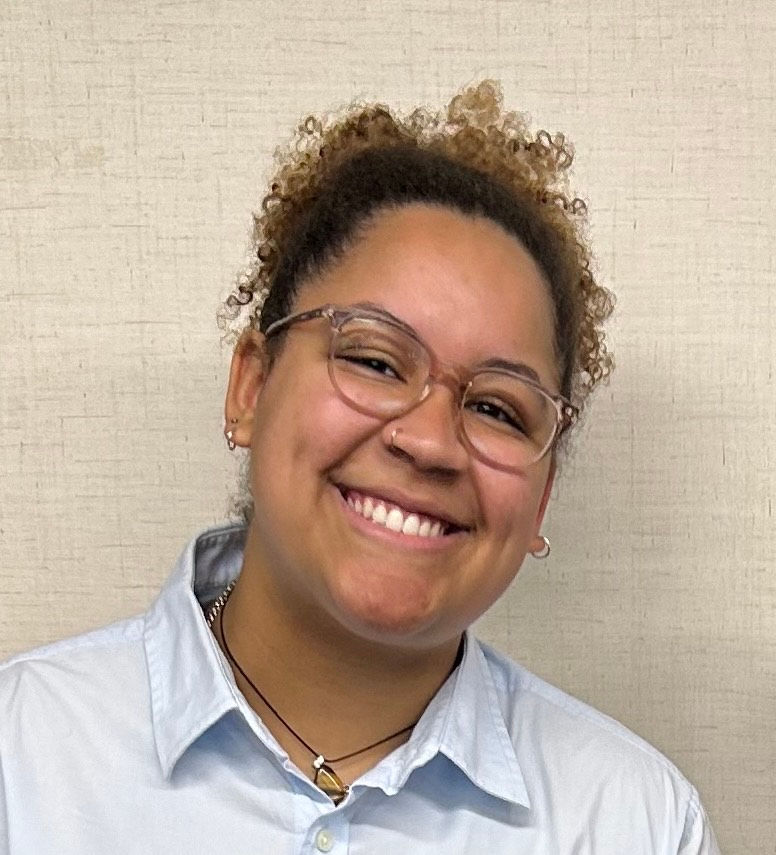
By Mabel Malhotra, Communications Manager
I’ve had the pleasure of working with the Minnesota Justice Research Center (MNJRC) for the last 2 years, helping to tell the story of our work. I am transitioning to graduate school this fall and, looking back on my time with this organization, I can say I've learned a million things. To keep this reflection a reasonable length, I am just going to focus on one.
I was lucky to not have any serious experiences with the criminal justice system in my youth or in my family. I had seen how my 8th grade English teacher, a former cop, dismissed my Black classmates when they brought up the protests that were happening in Ferguson after Michael Brown was killed. I had noticed how the system loomed over my Black peers at my high school in DC — how cops in the hallway pulled them aside for being out of class, but looked the other way while white kids selling drugs for fun did their thing.
But ultimately, it was during the uprisings in 2020 after George Floyd was killed when I learned the most I ever had about how our country’s legacies of racism, slavery, and genocide racism seep into the criminal legal system.
As I learned more about our country’s history of white supremacy, and my role in it, I felt a lot of anger, outrage, and absolutism in me and a lot of my peers. Growing up in DC, we had always known it was F the police, but then it became burn the whole system down. Point blank period. These were not new ideas but this was the most widespread I had ever seen them in my lifetime. It was the easy answer: abolish these systems, and the harm they’re causing will end too.
And those conclusions were valid. But after they were accepted by the masses, they were kind of left hanging in the zeitgeist. The moment of action faded, and people weren’t in the streets protesting anymore. The number of people continuing to look for solutions, to do research, to change policies, dwindled.
The biggest thing I have taken away from my time with MNJRC is that the way to transform our criminal legal system is much more nuanced than we may want it to be.
MNJRC knows that the reality of the world, the complexity of each and every human being, means there is no one clear solution to unraveling the harm caused by this system.
They know that you can’t end cash bail without asking the question of, “So what comes next?” They know that you can’t interrogate our policing system without asking, “What do we need to keep our communities safe?” “What would it look like to hold someone accountable for harming someone else if we relied less on prisons?” “How would we make sure cycles of harm don’t continue when someone comes home?”
They bring the community in to form these answers. And while the numbers might show undeniably that Black communities are the most at risk of police violence, we might also have a participant in our community engagement session say they personally feel safe knowing they can call the cops — and that experience is undeniable too.
MNJRC knows that the realities of data and the realities of people’s life experiences exist at the same time, and they don’t run away from that; they actually stand the research up on it.
They create thoughtful policy proposals on it and they maintain the relationships with the community who shared their stories in the first place.
MNJRC has taught me — without dismissing the very real harm this system has brought about and still does — that the answer is never as simple as “burn it all down”. That repairing harm means putting the most impacted communities at the center of the rebuilding process.
As the person who has had the task of telling the story of MNJRC’s work over the last couple of years, I can tell you it’s not easy. It’s not glamorous, it’s not apolitical, it’s not a clear line from problem to solution, it’s not a clear line from dollar to impact.
But I've seen it from the inside: at this organization, every single dollar goes straight to meaningful work, and the impact is way bigger than you can see. The world needs organizations like this because the world needs changemakers who know the answers aren't simple and pursue them anyway. If you're reading this, please consider supporting, or continuing to support, the JRC ("support" doesn't just mean giving money — come to an event, read our reports, participate in research, follow our socials/newsletter, and...well, yes, certainly donate if you can :)).
Thank you so much to Justin, Katie, Jana, Will, Kayla, Zeke, and the whole MNJRC community for everything you have trusted me with and given me.

Mabel Malhotra is a communications specialist, award-winning documentary filmmaker, and multimedia storyteller from Washington, DC. With a dual degree in Communication Arts and Psychology from the University of Wisconsin-Madison, she is curious about social behaviors, human rights and flourishing, and narrative change as a tool for transforming our criminal legal system and beyond. She is pursuing her Master's in Social Work, Administration, and Policy at the University of Chicago this fall.


Comments